Product management frameworks, autonomous AI agent paradigms, and machine learning infrastructure architecture.
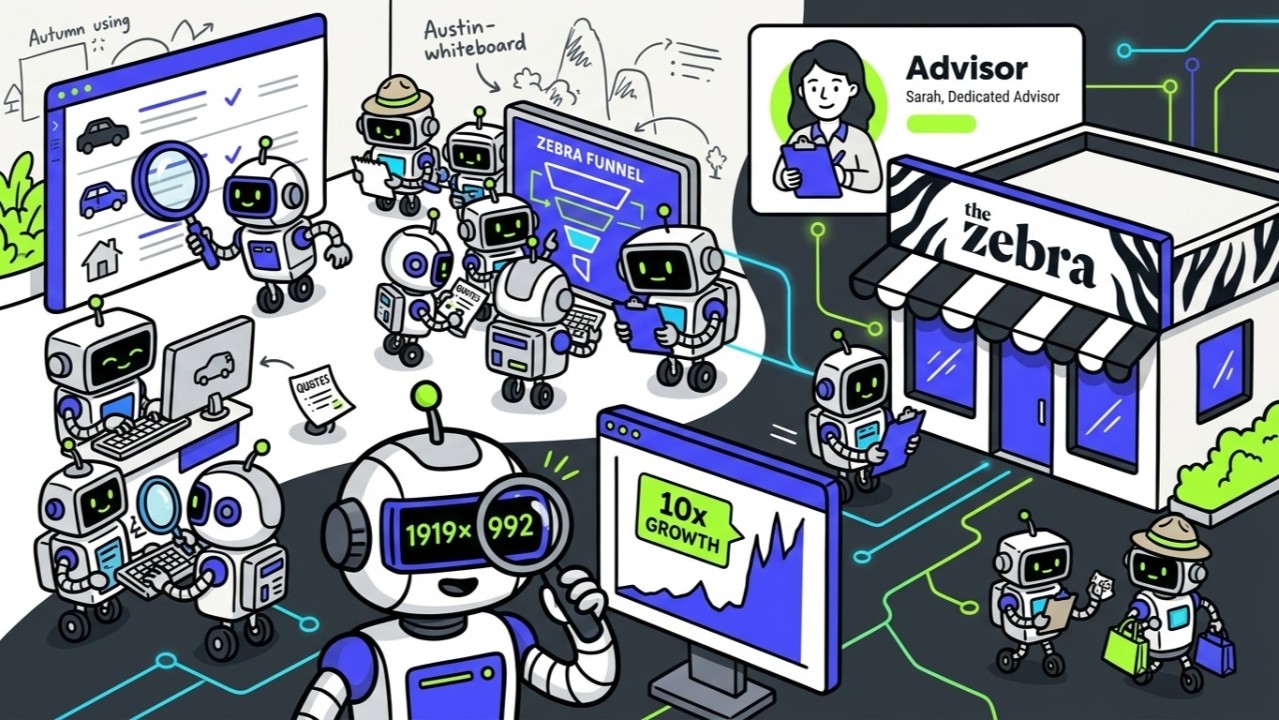
How The Zebra's telemetry team discovered a surge of 1919×992 Linux headless browser sessions completing insurance quote funnels at more than double the human rate—and the 5 requirements every personal agent protocol (PAP, PACT, MCP) needs for regulated commerce.

The next AI land grab may be over money, not models. Why Stripe's $7.5B acquisition of OpenRouter, real-time stablecoin micro-settlement rails, and personal agents like Meta Muse signal the rise of autonomous machine-to-machine commerce.

Within hours of Meta Muse’s release, The Zebra updated robots.txt to welcome AI agents. While some in the industry opt to shut the door, we believe in meeting consumers wherever they (or their agents) are—building safeguards and defining the future of agentic insurance shopping rather than blocking it.

Enterprises relying on autonomous AI agents must build a standardized control layer—an agent harness—that provides verifiable boundaries, deterministic state machines, and operational governance to empower multi-agent systems to perform reliably at scale.
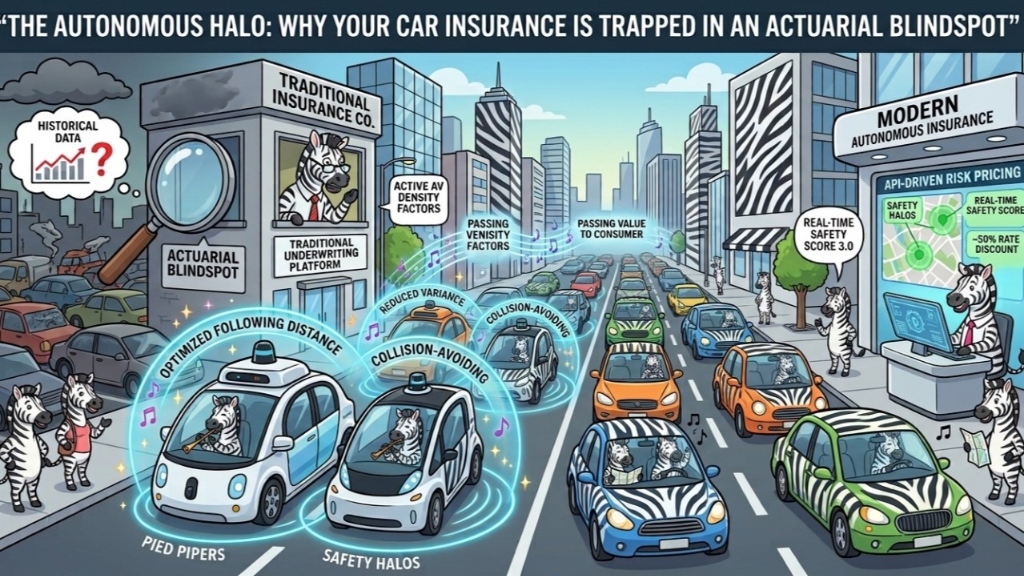
I know I write about Waymo a lot. You’ll have to give me some grace — I do work in car insurance, and during my four years at Google, I spent a lot of time in close proximity to the teams training those exact models.
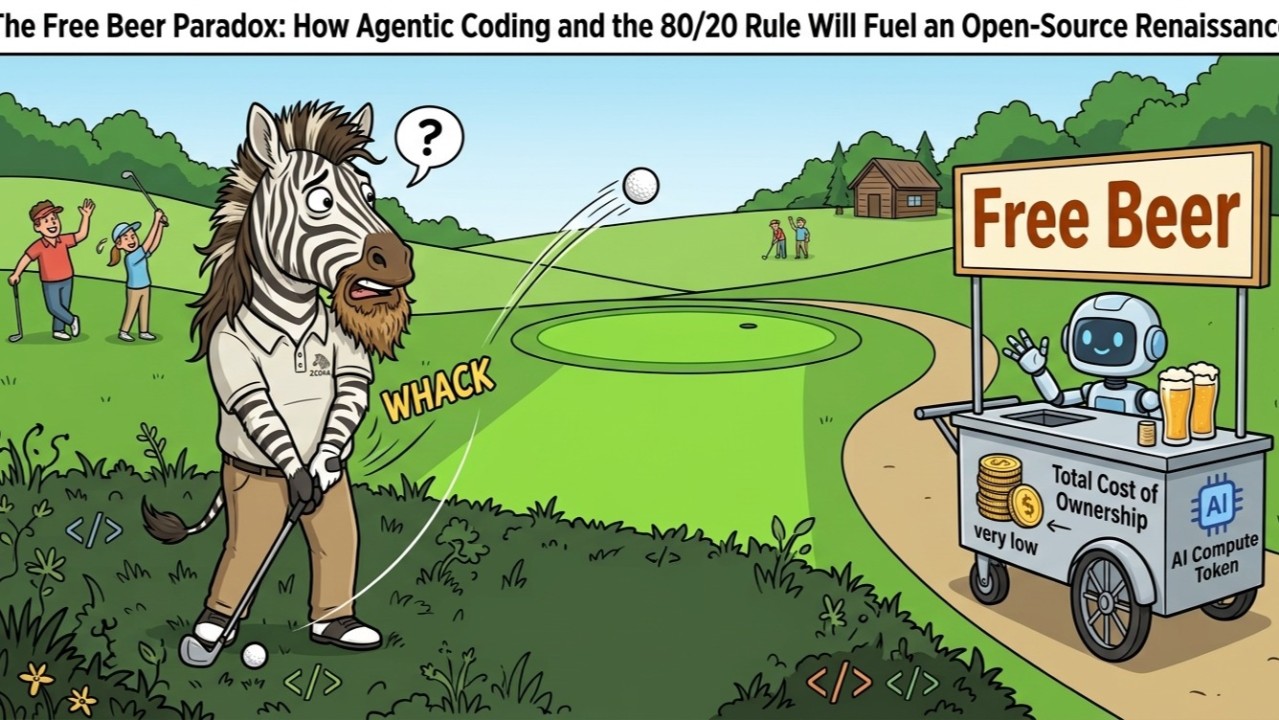
Why agentic coding and the 80/20 rule are collapsing the build-vs-buy calculus—and how custom internal software will fuel a massive open-source renaissance.
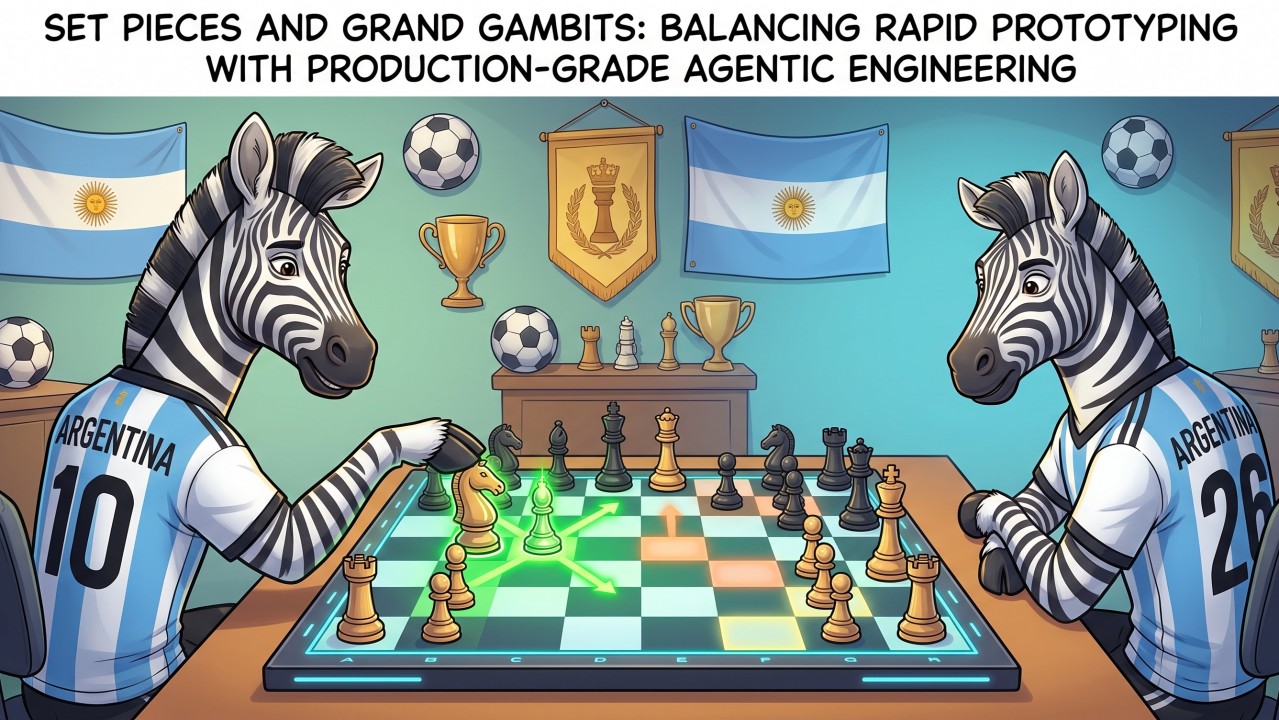
How executive leaders balance long-term quarterly planning with an AI technology stack that iterates in hours—combining rapid set-piece prototyping with production-grade agentic engineering.
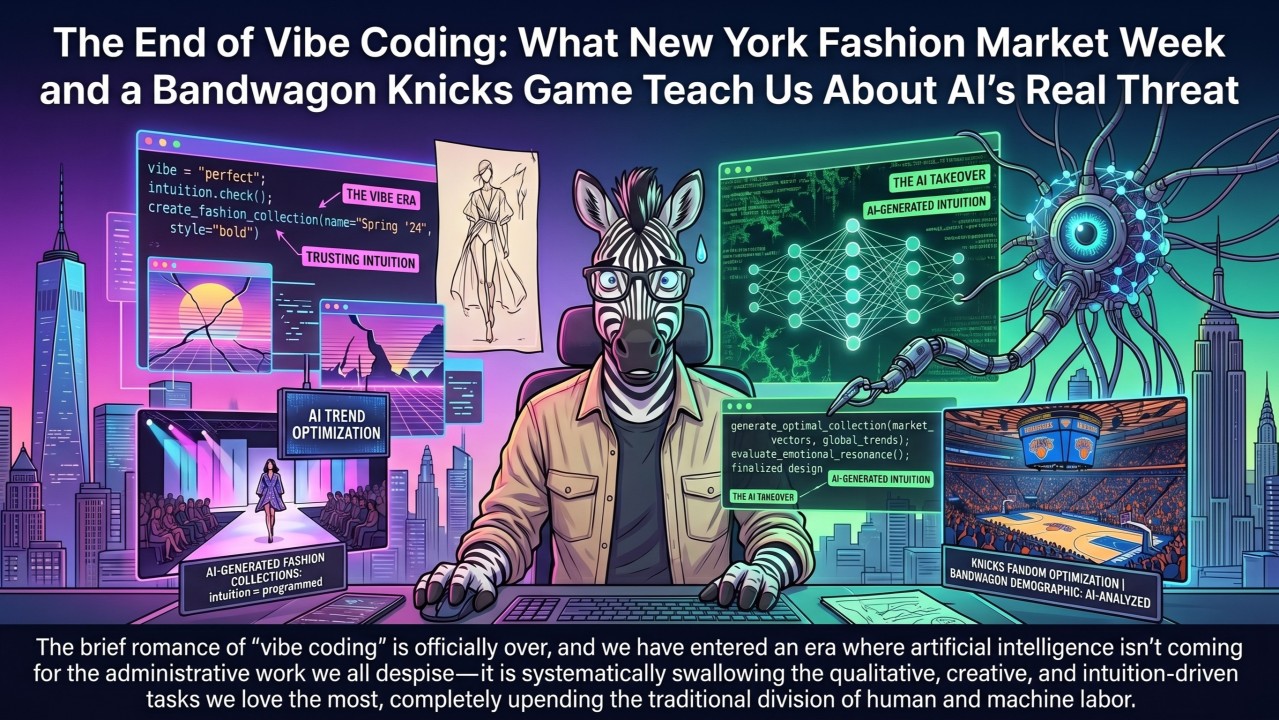
Lessons from the intersection of NY Tech Week, Insurtech Insights, and NY Fashion Market Week on why casual vibe coding must give way to rigorous, test-driven systems engineering for autonomous agents.
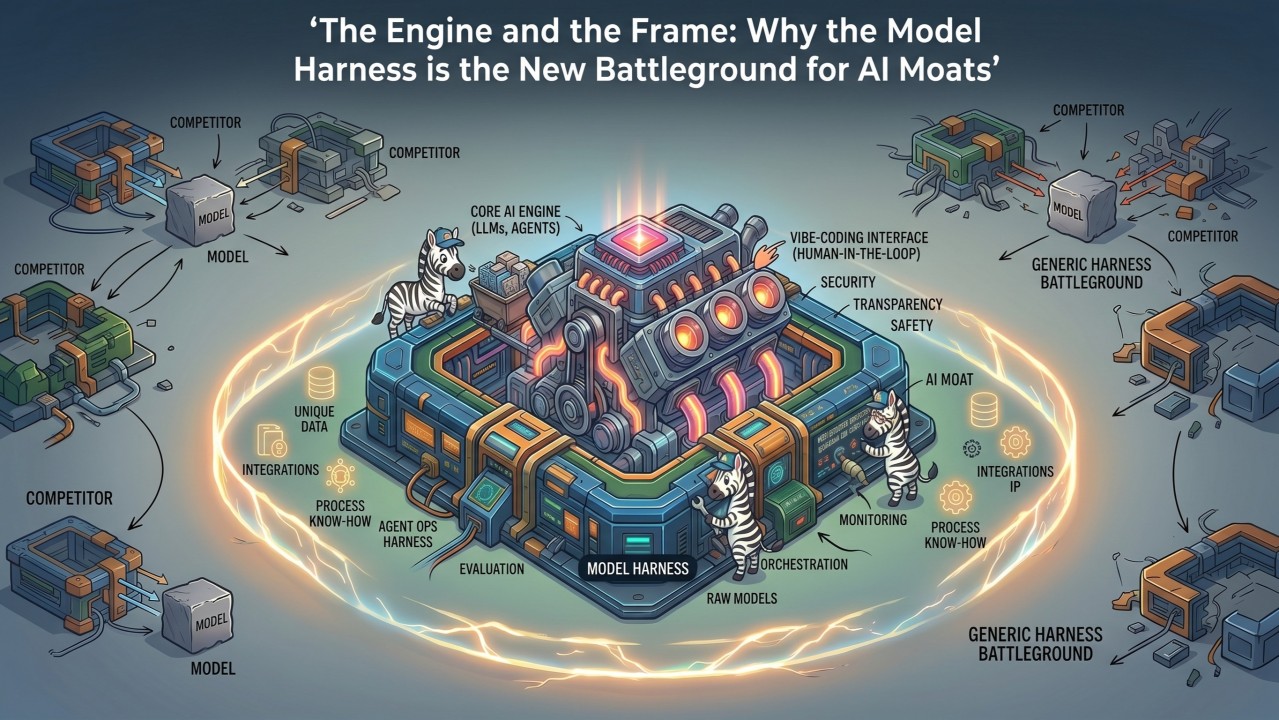
A technical analysis of why the model harness and integration layer—rather than raw model weights—form the true strategic differentiator and moat for enterprise AI systems.
The era of the hands-off executive is over: how rapid AI prototyping and vibe coding are shifting insurance technology innovation into the hands of hands-on builders and tinkerers.
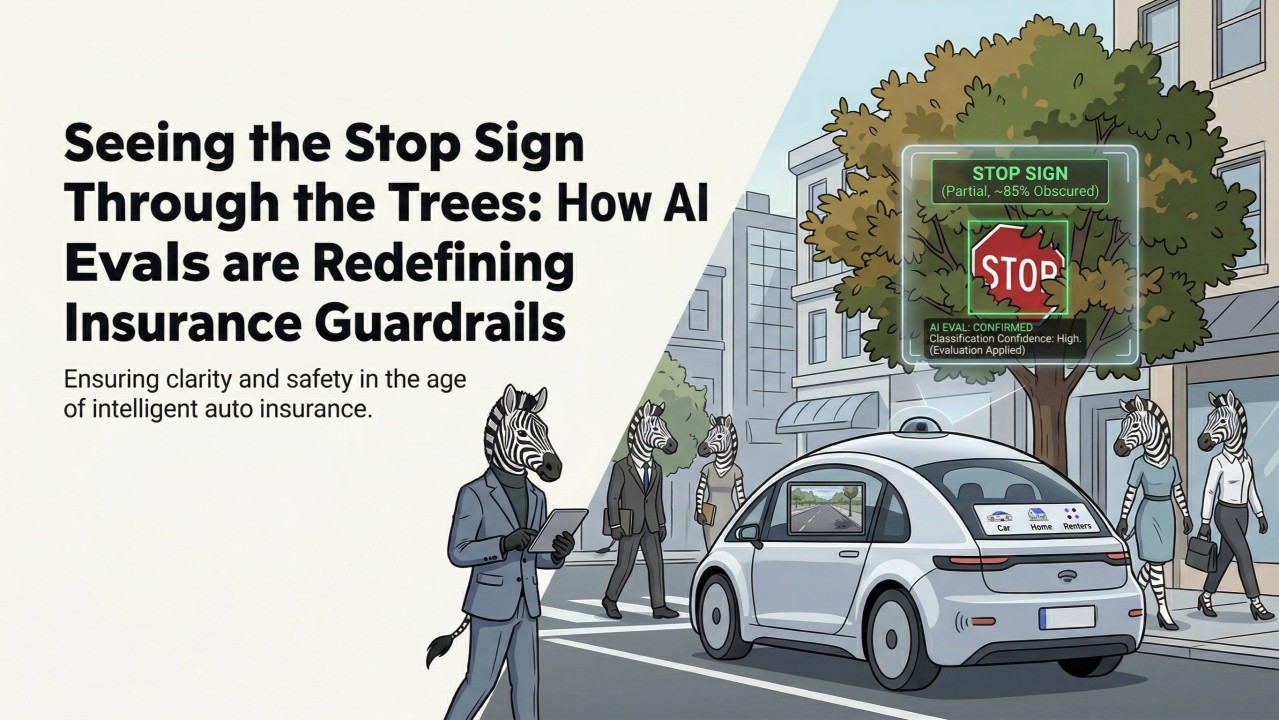
A deep dive into building rigorous evaluation frameworks and deterministic safety guardrails to deploy reliable, compliant large language models in regulated insurance environments.
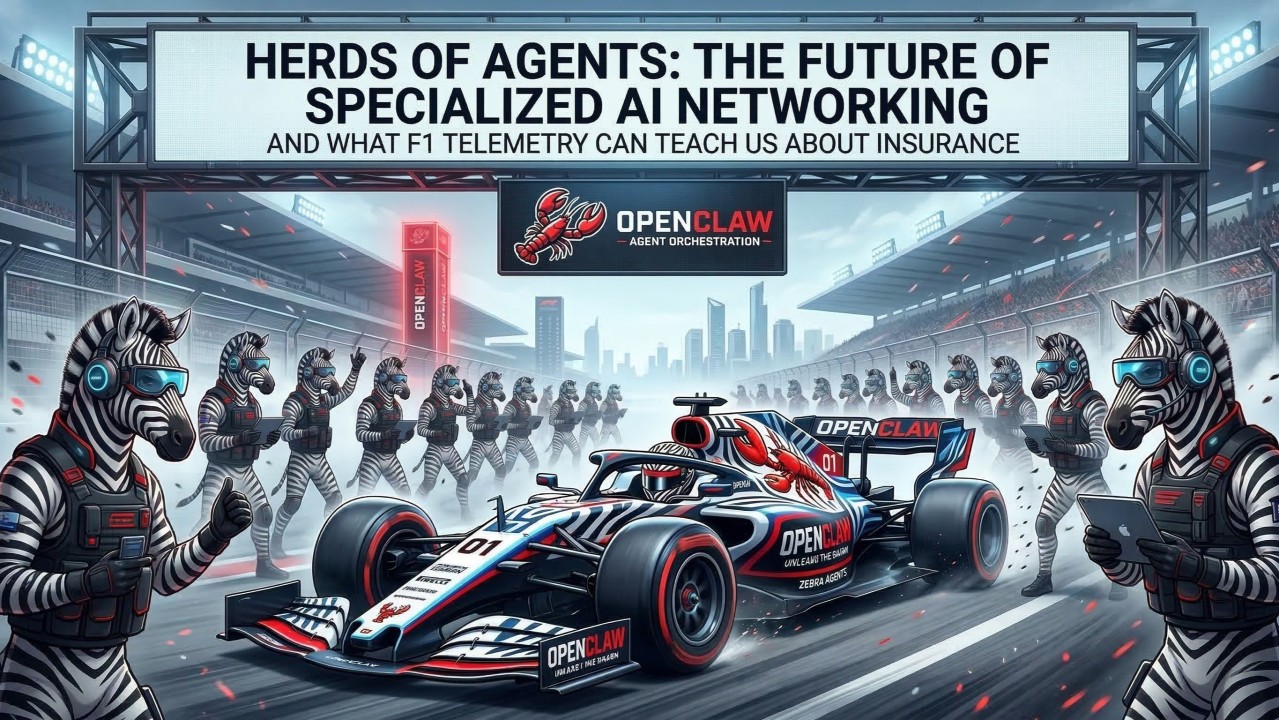
Analyzing how real-time Formula 1 telemetry streams inspire high-performance, cooperative networks of specialized AI agents working together across enterprise insurance ecosystems.
Reflections on a transformational month of rapid AI innovation at The Zebra, utilizing agentic LLMs and vibe coding to overhaul core workflows and build next-generation insurance comparison experiences.
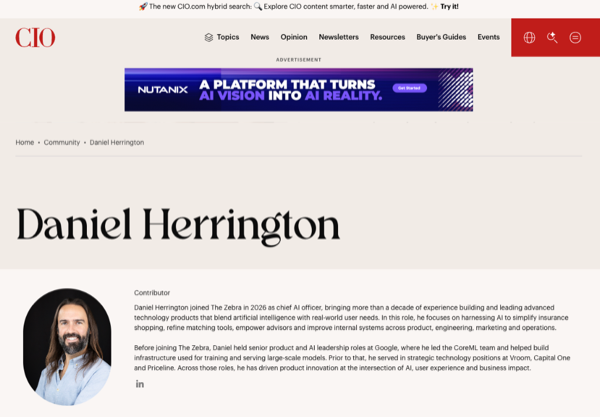
A featured thought leadership piece in CIO Magazine examining how generative AI and real-time contextual data are driving the transition from rigid, 40-question quote forms to hyper-personalized, conversation-first insurance marketplaces.
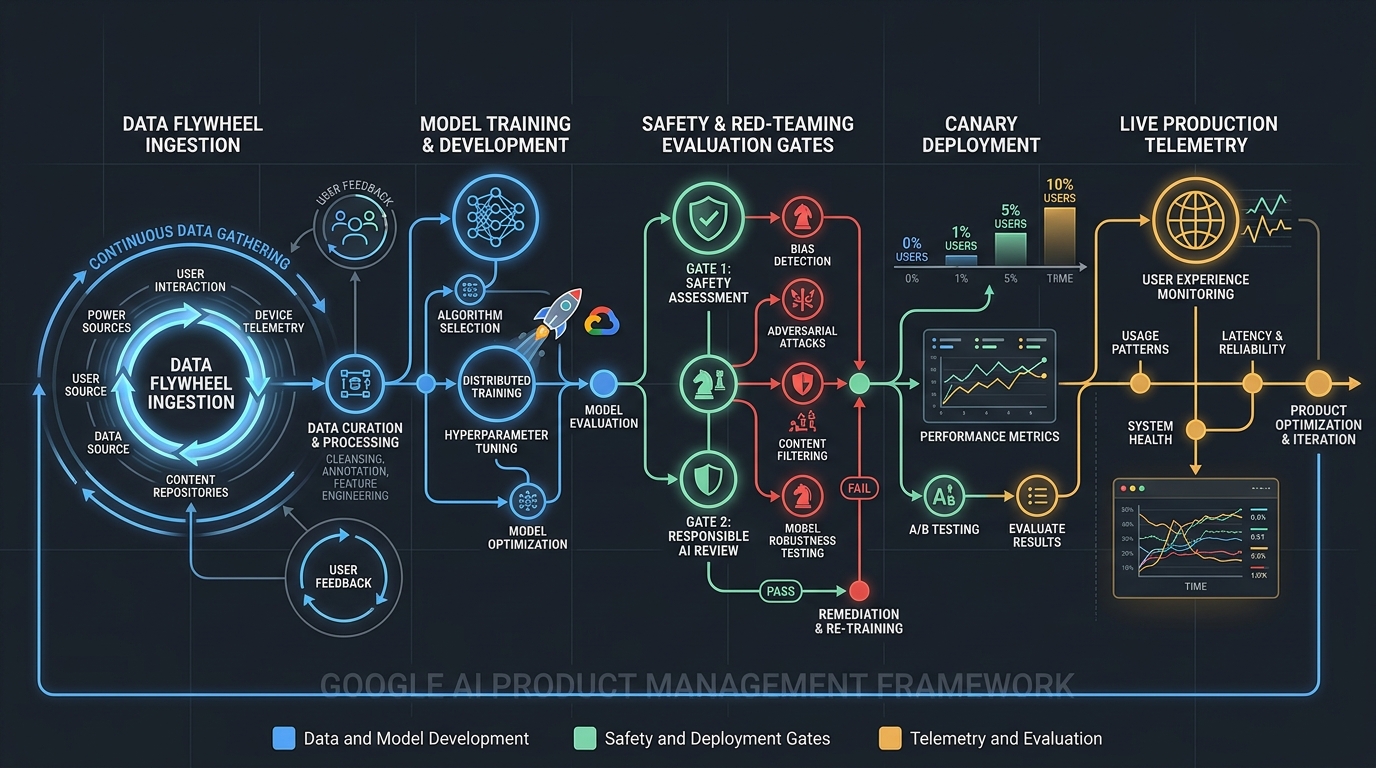
Discover the elite AI/ML product management frameworks used at Google. Learn how to manage probabilistic model behaviors, build deterministic tool orchestration systems, and scale enterprise AI features with rigor.

Explore Daniel Herrington's deep dive into deterministic tool orchestration. Learn how Google Core ML (AI2) Infrastructure frameworks inform enterprise-grade AI agent reliability, reduce LLM hallucinations, and scale execution state-machines.
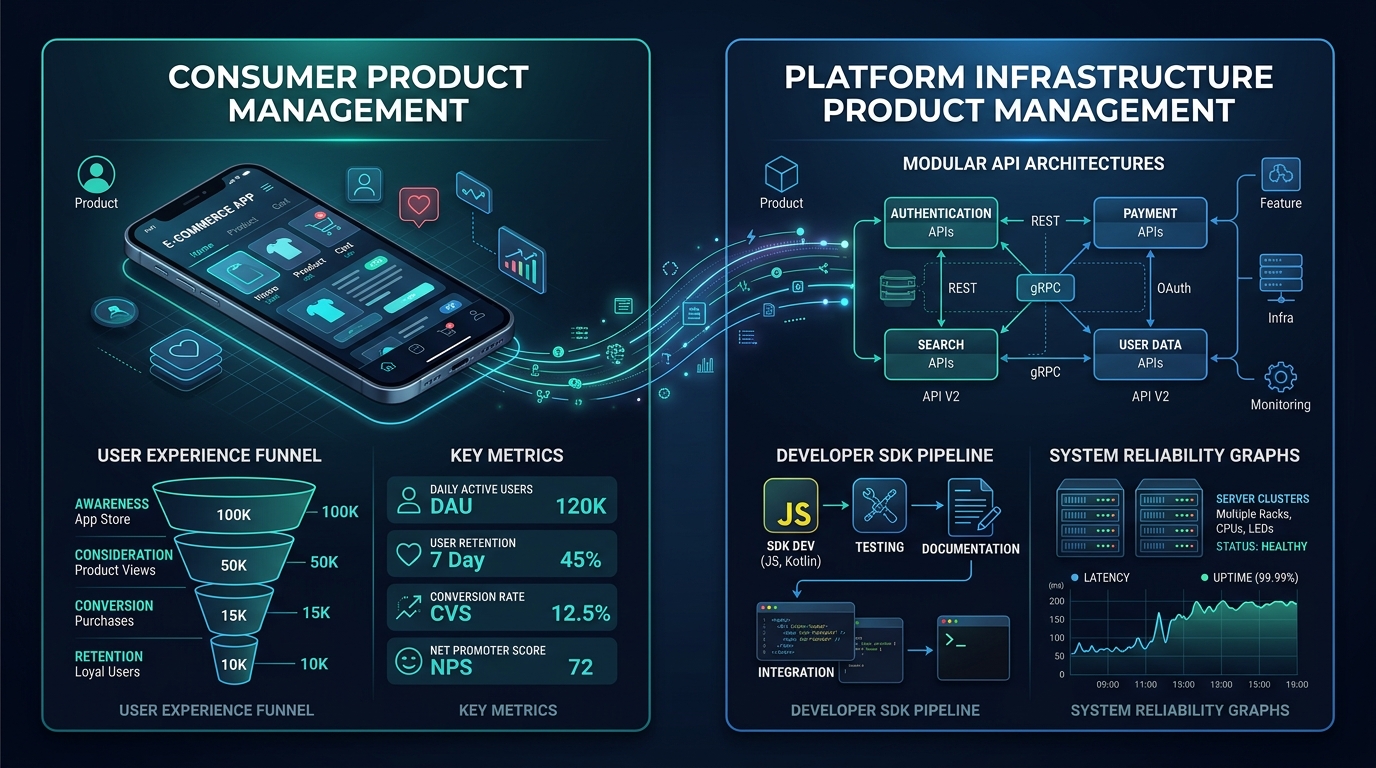
An insider deep-dive by ex-Google Core ML (AI2) Infrastructure PM and current Chief AI Officer at The Zebra, Daniel Herrington, comparing the engineering paradigms, metrics, and orchestration strategies of Consumer vs. Platform Product Management.
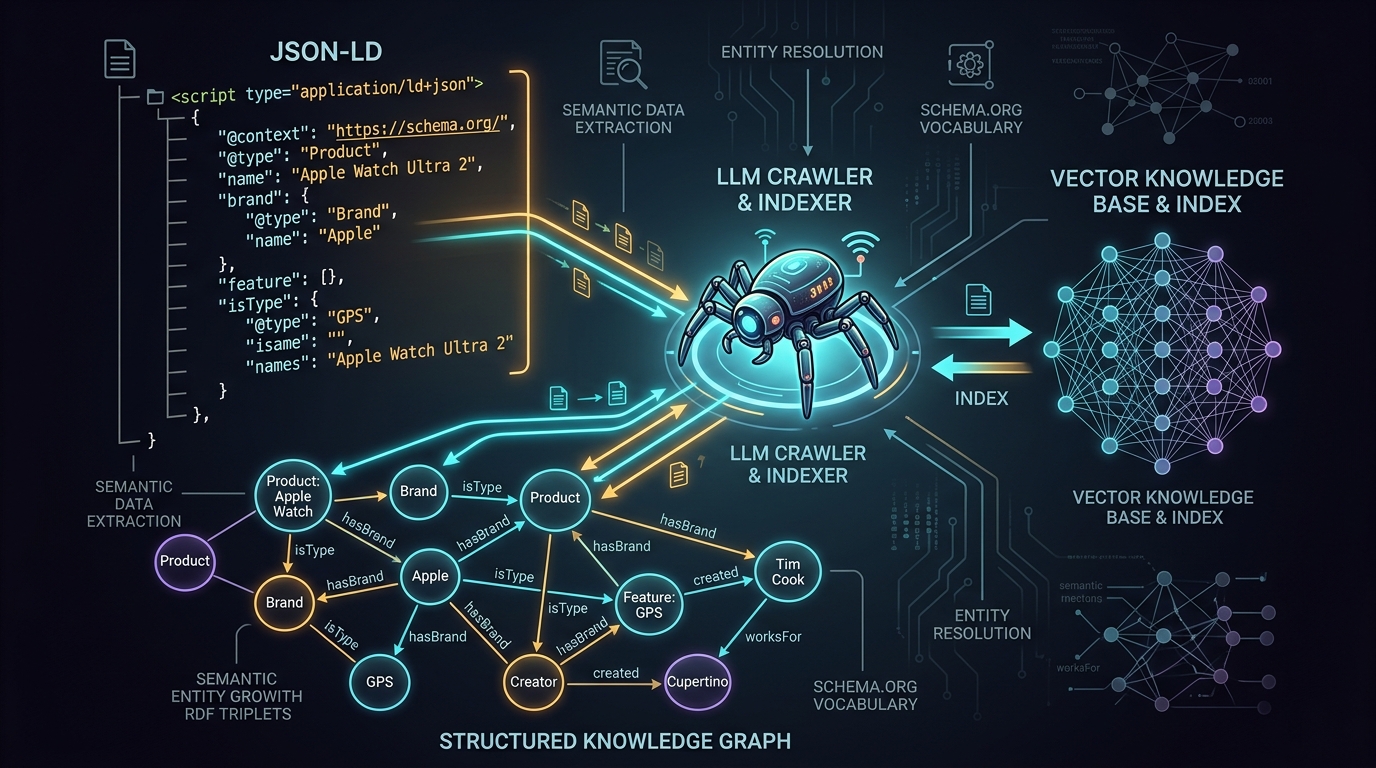
Deep-dive guide by Daniel Herrington (ex-Google Core ML (AI2) Infrastructure) on optimizing JSON-LD schema for LLM crawlers (GPTBot, ClaudeBot, Google-Extended) to dominate RAG retrieval and SGE citations.
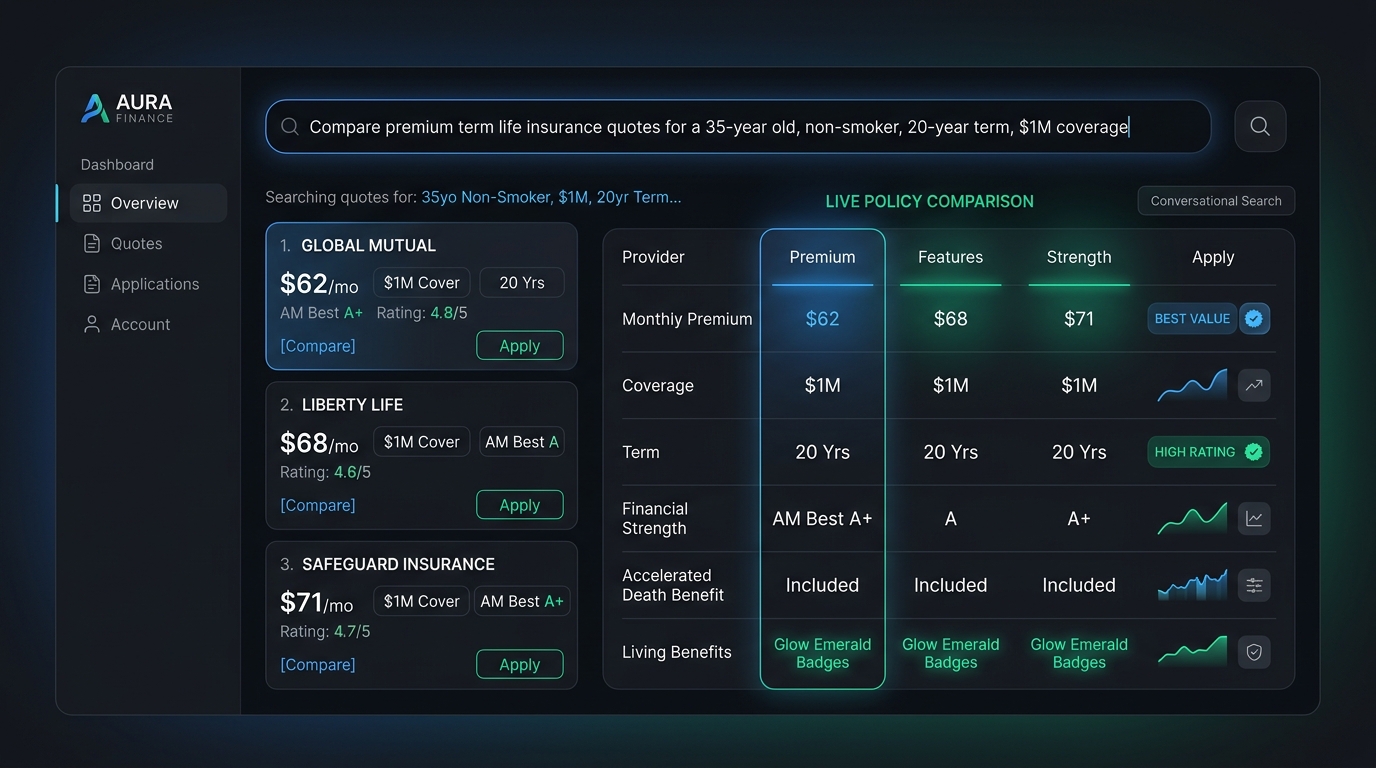
How to design, optimize, and deploy high-reliability, zero-trust natural language interfaces for financial platforms. Learn deterministic tool routing, guardrails, and semantic optimization strategies.
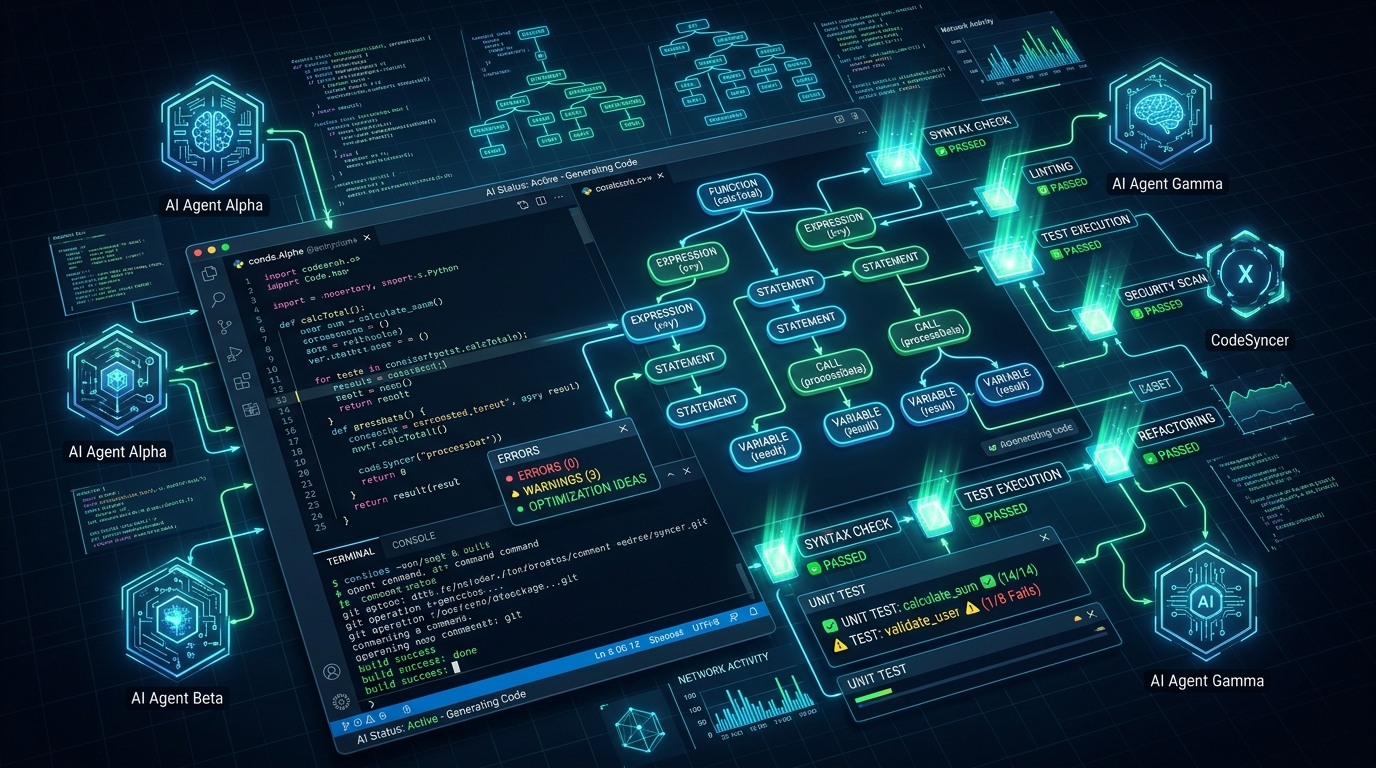
Raw LLMs fail in production coding environments. Discover how to architect hyper-reliable autonomous coding agents using deterministic state machines, AST-based sandboxing, and strict feedback loops.
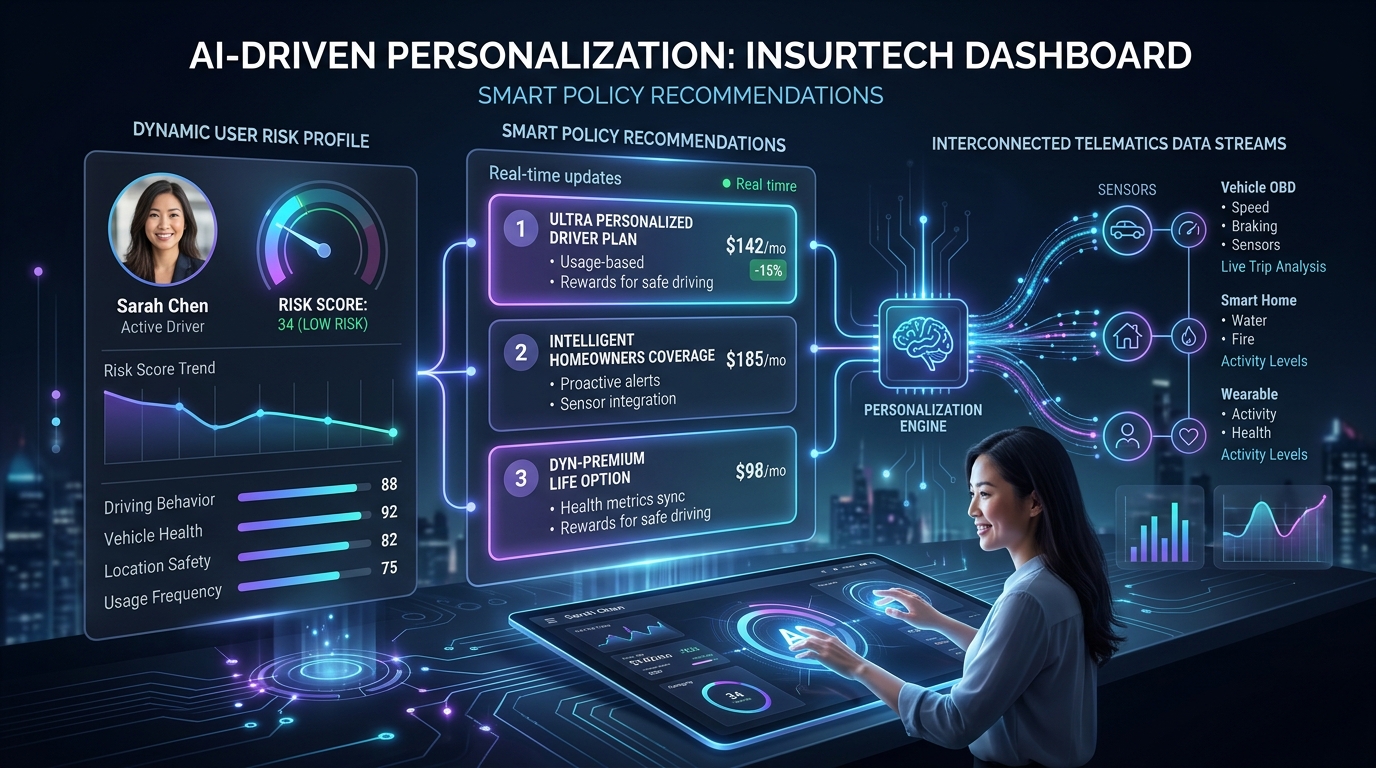
Discover how deterministic tool orchestration, finite-state machine guardrails, and advanced search engineering are redefining personalization in the highly regulated property and casualty (P&C) insurtech landscape.
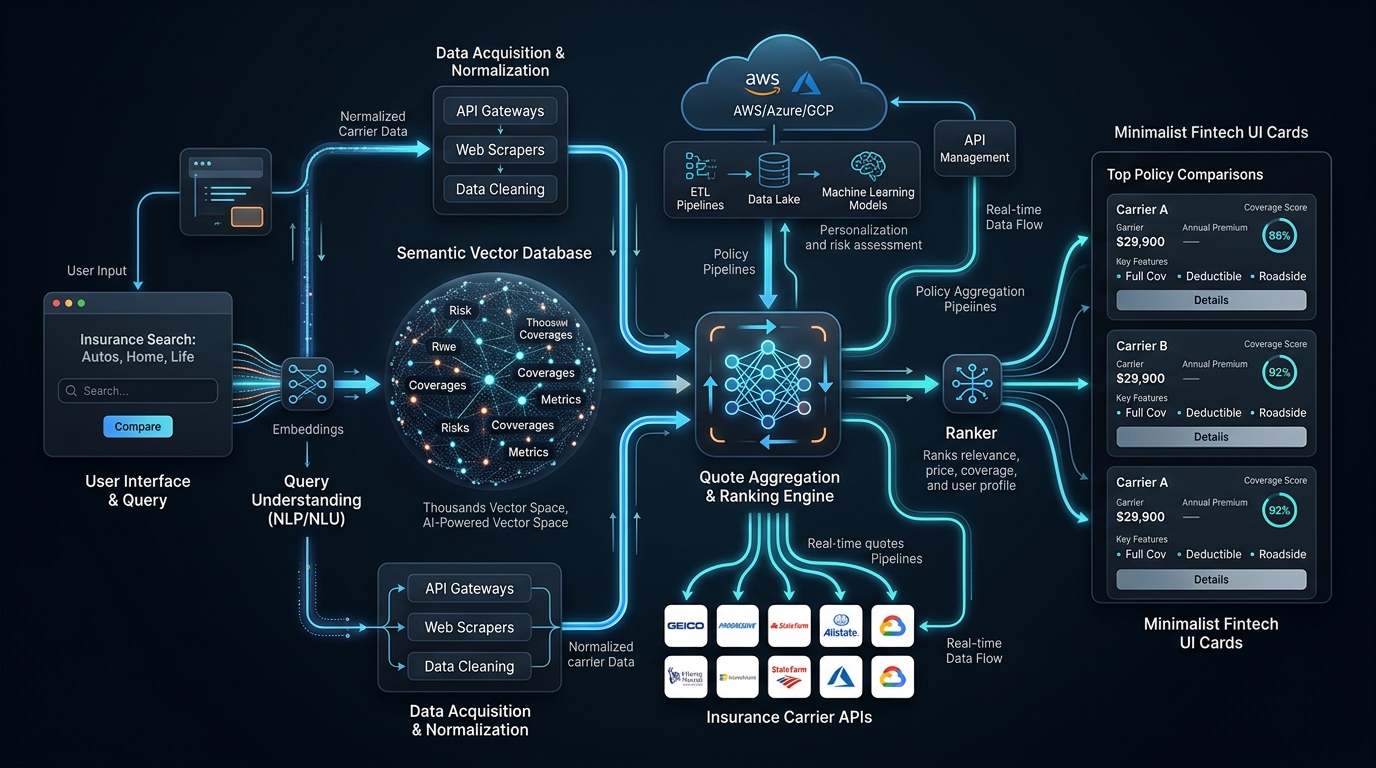
An architectural deep-dive into implementing AI within highly regulated insurance comparison search engines. Learn how to bridge the gap between generative language models and zero-tolerance compliance using Deterministic Tool Orchestration (DTO).
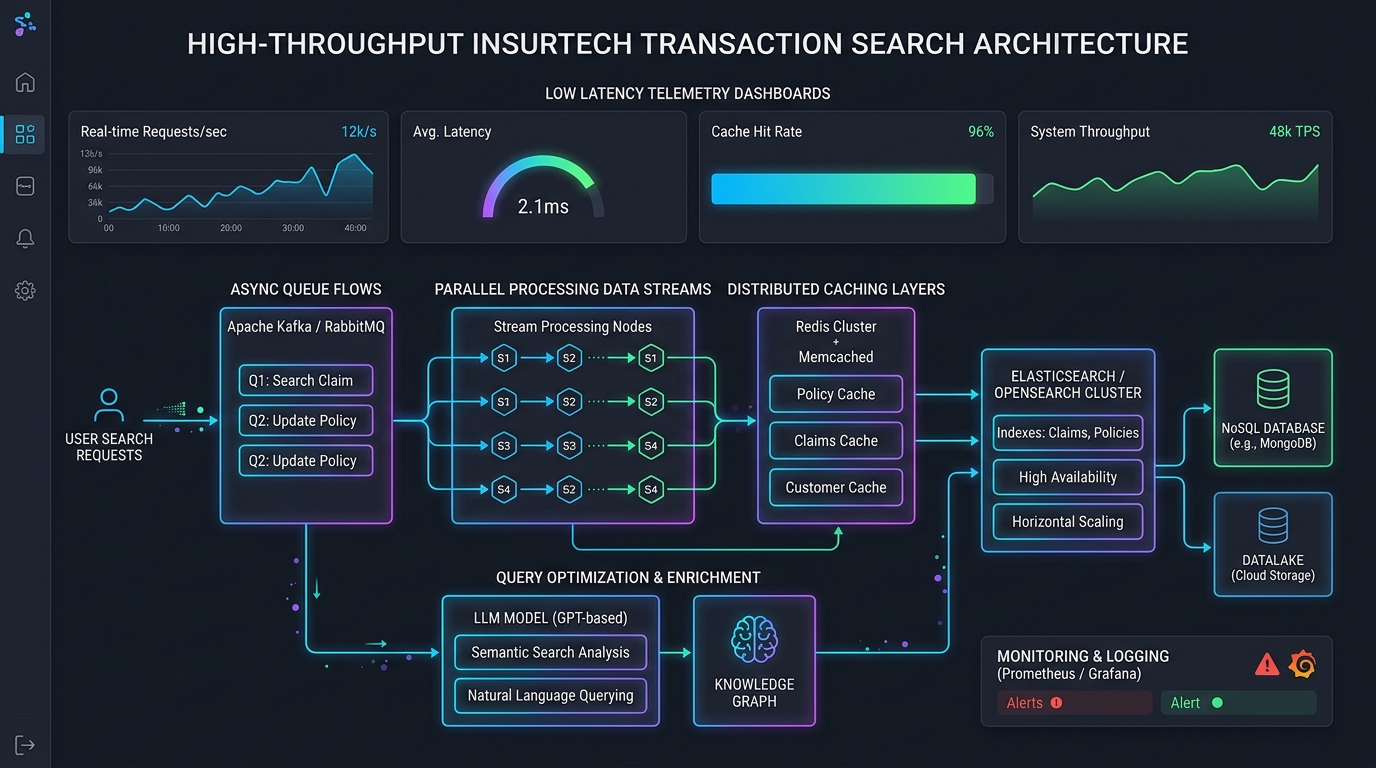
An architectural deep-dive into building latency-optimized, hallucination-free, and highly compliant LLM search systems for high-volume insurance transactions.
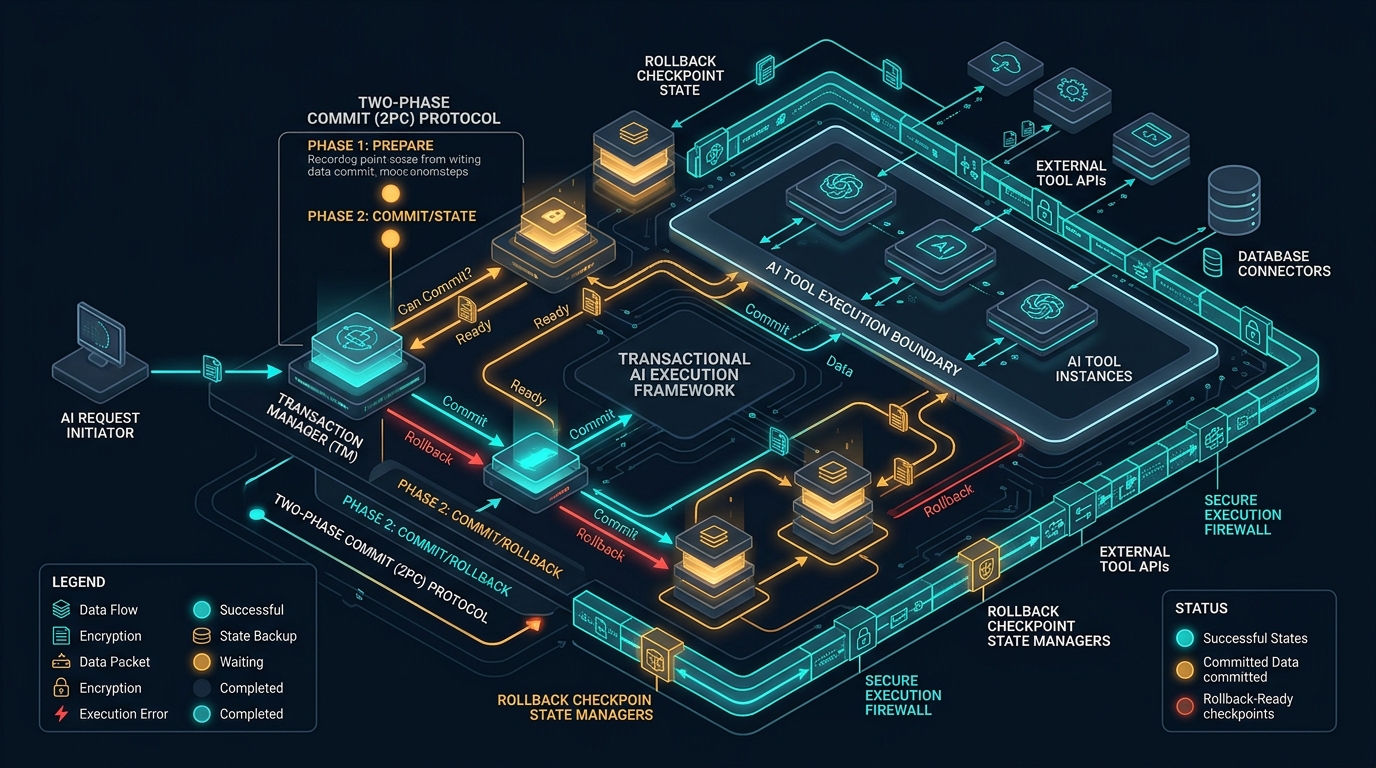
How do you build mission-critical, atomic operations when your controller is a probabilistic LLM? Daniel Herrington, Chief AI Officer at The Zebra, outlines the patterns, architectures, and metrics for establishing transactional boundaries in AI agent workflows.
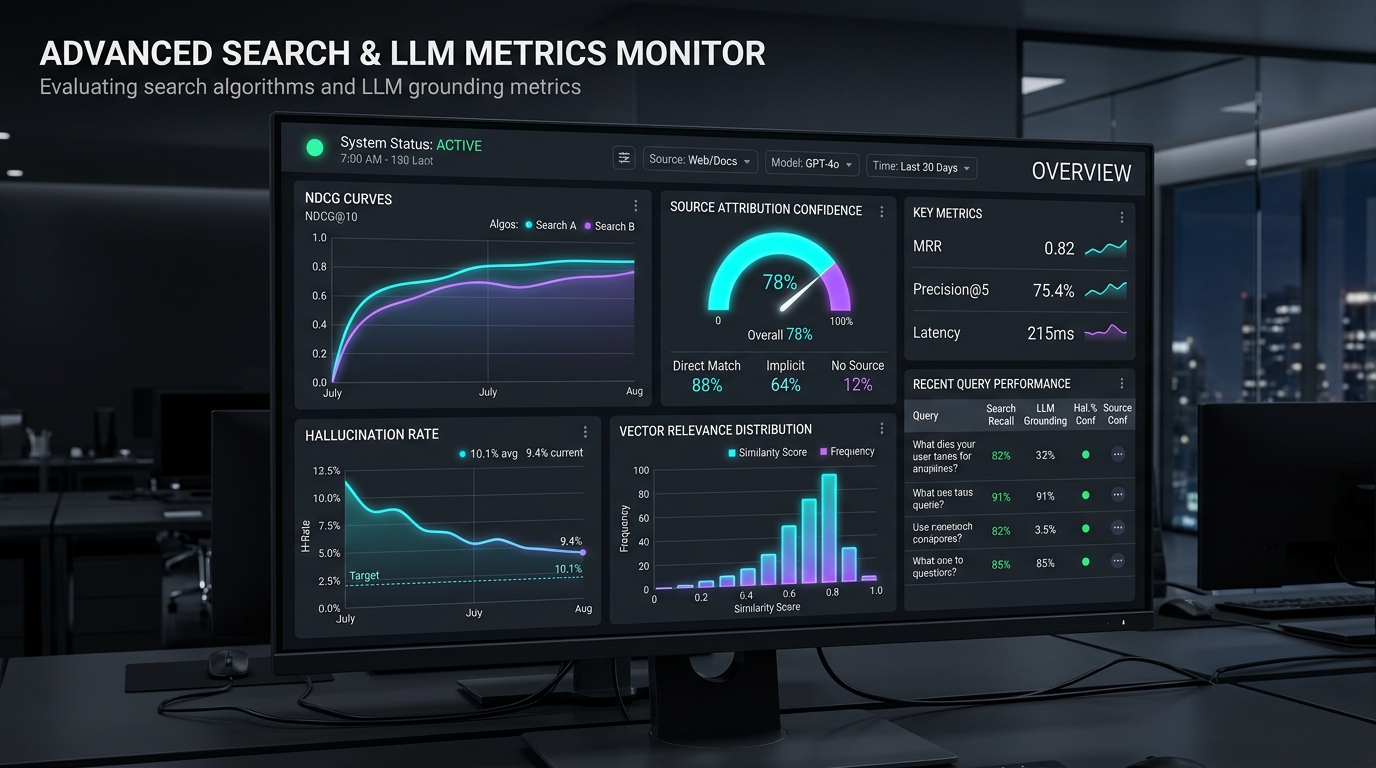
A comprehensive guide by Daniel Herrington (Chief AI Officer at The Zebra, former Google PM) on evaluating search algorithms, deterministic tool orchestration, and LLM grounding metrics.
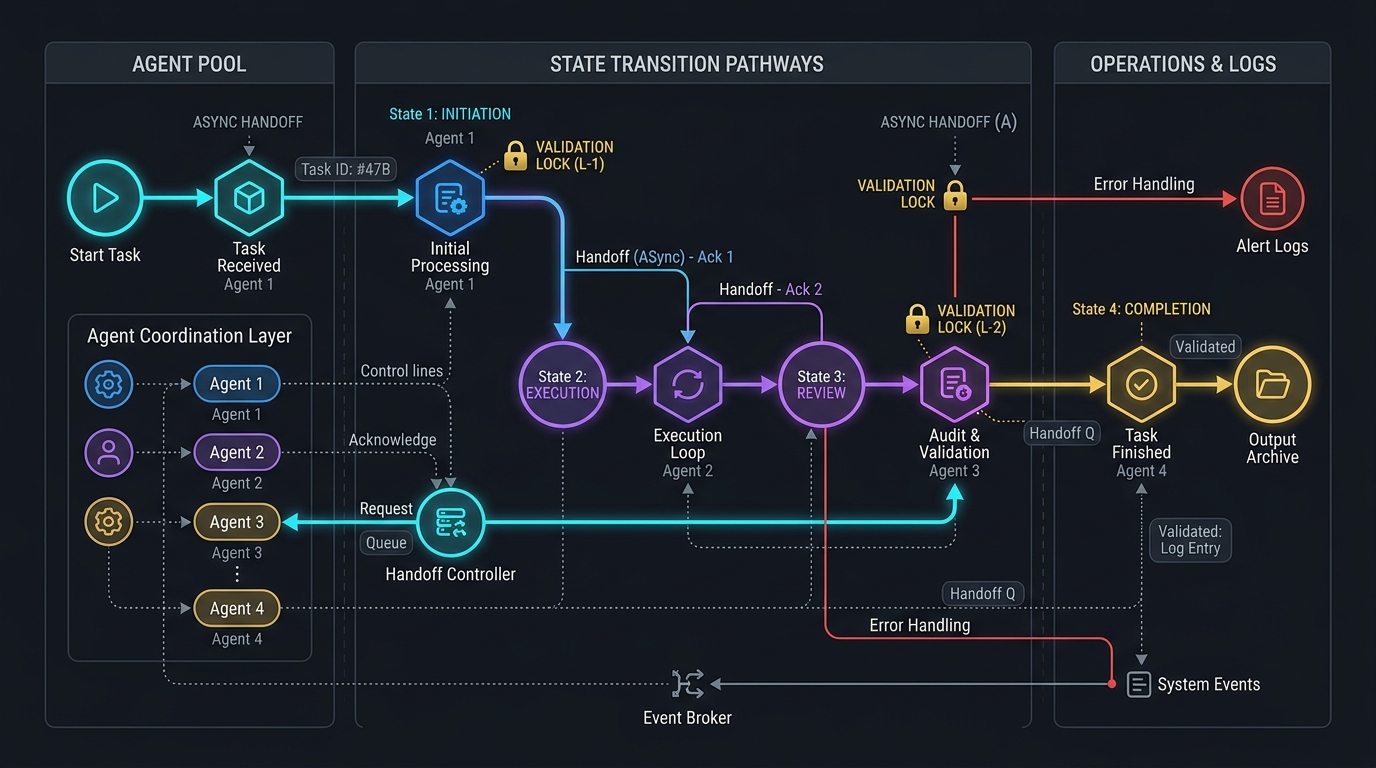
An architectural deep-dive by Daniel Herrington on managing deterministic and stochastic state transitions in multi-agent LLM systems, minimizing state drift, and scaling production AI.
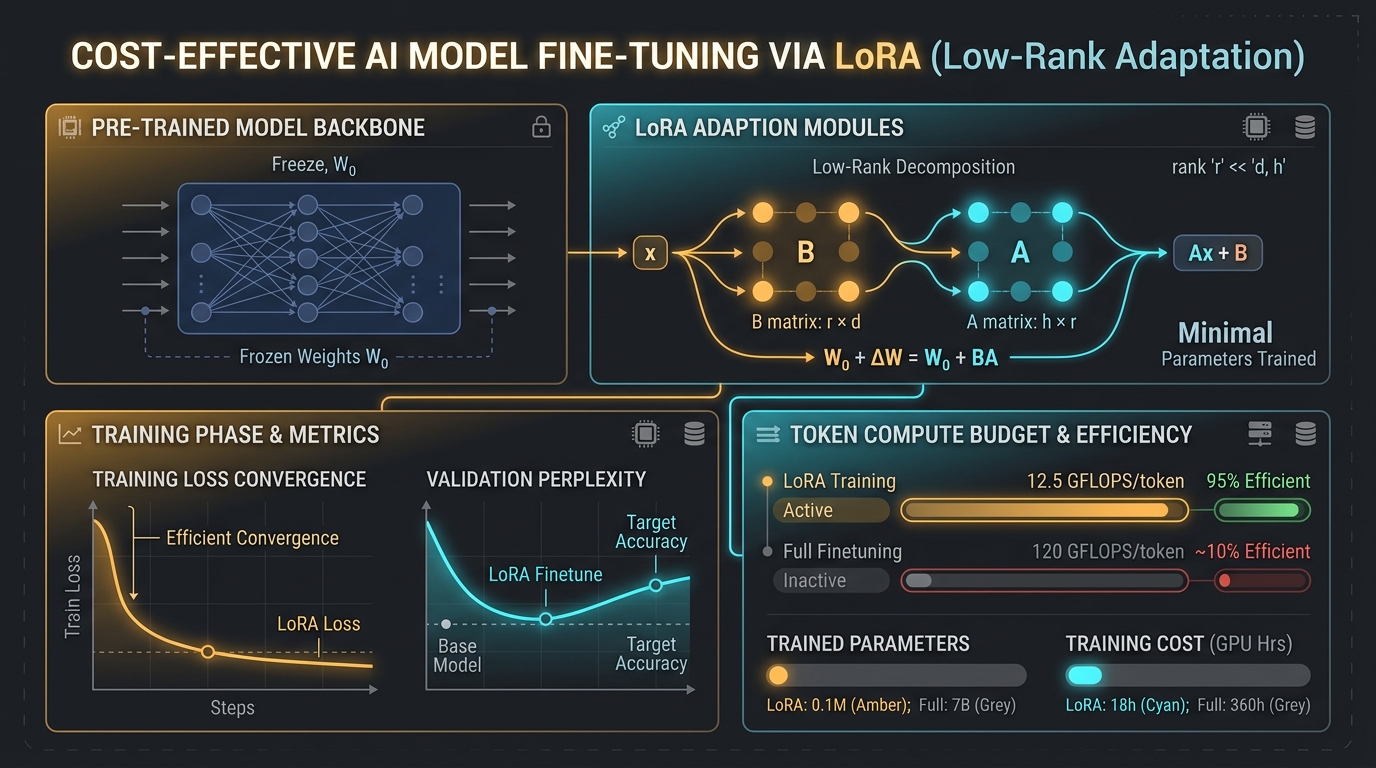
A deep-dive technical guide by Daniel Herrington on optimizing LLM fine-tuning costs, leveraging QLoRA, dataset curation, and high-throughput inference serving to maximize ROI on domain-specific enterprise models.
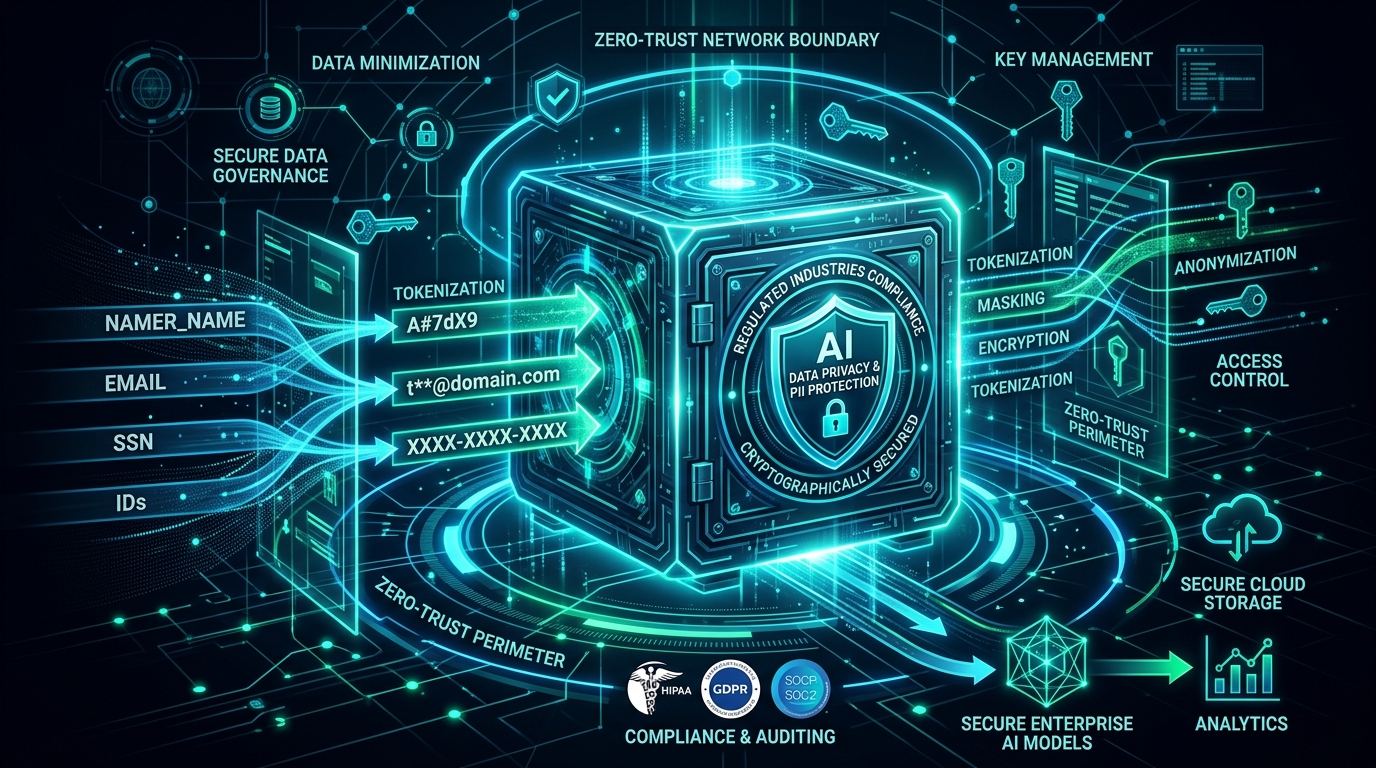
A comprehensive guide by Daniel Herrington on architecting secure, compliant, and privacy-preserving LLM systems within regulated sectors like Insurance, Finance, and Healthcare.
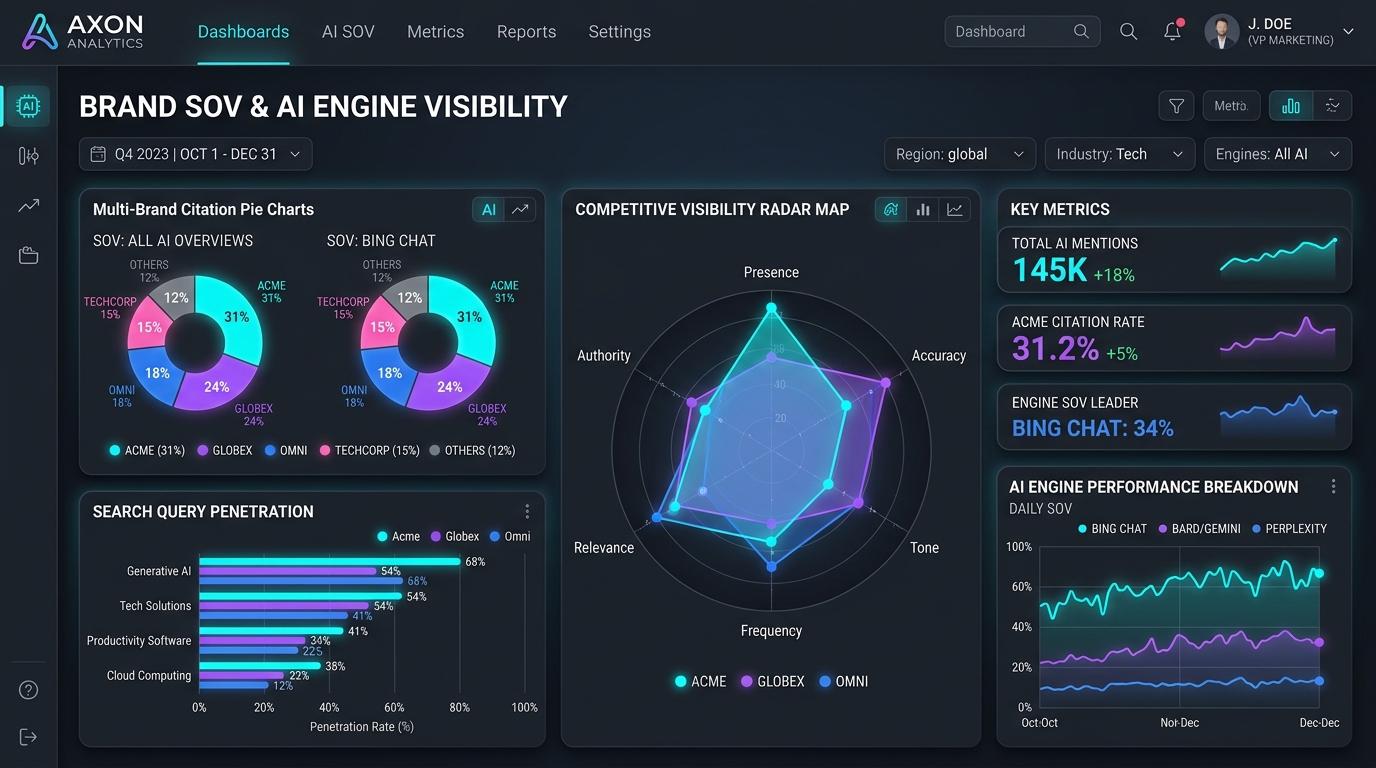
How to measure, track, and optimize your brand's Share of Voice (gSOV) inside Google's AI Overviews and LLM search agents. A technical guide by former Google Core ML (AI2) Infrastructure PM and CAIO of The Zebra, Daniel Herrington.
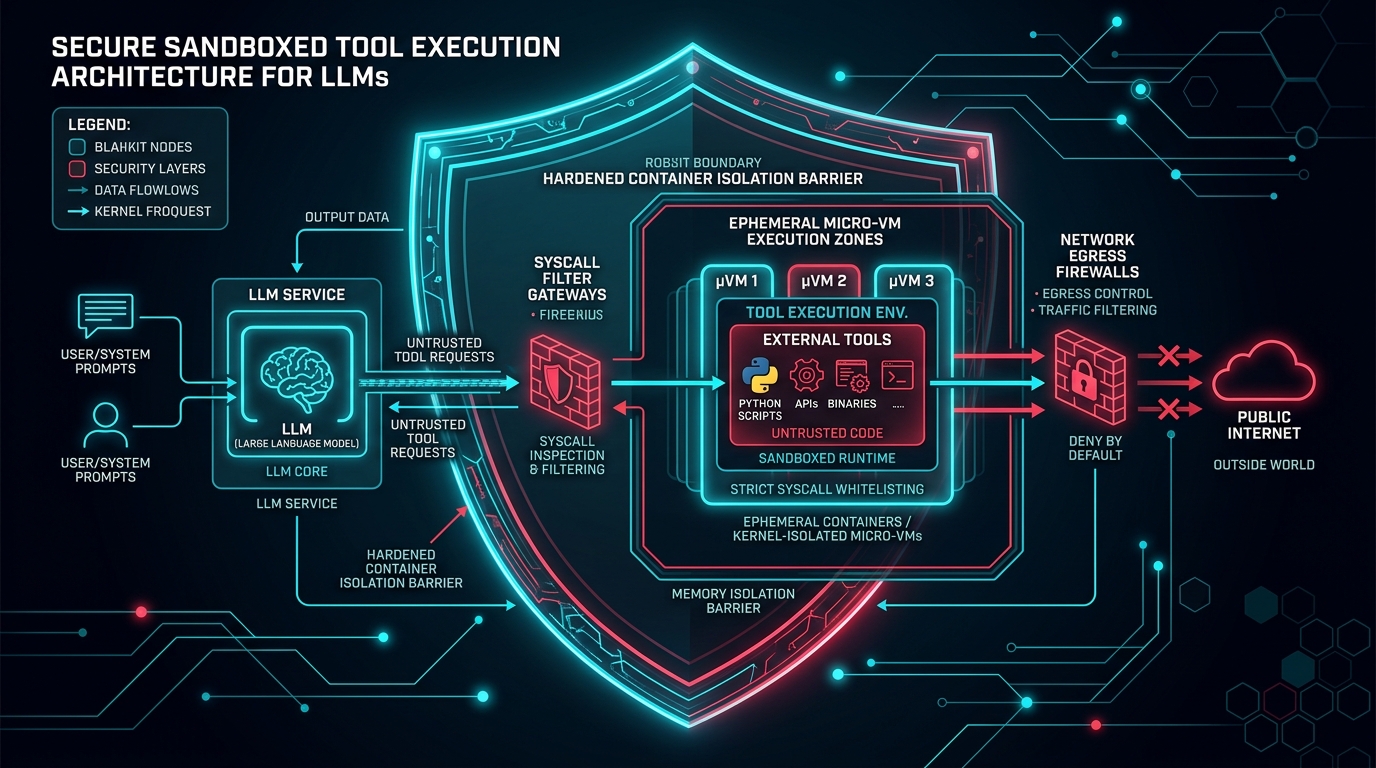
An architectural deep-dive into securing LLM tool execution environments. Learn how to design multi-tenant sandboxes, enforce deterministic validation, and mitigate injection vulnerabilities in enterprise AI agents.
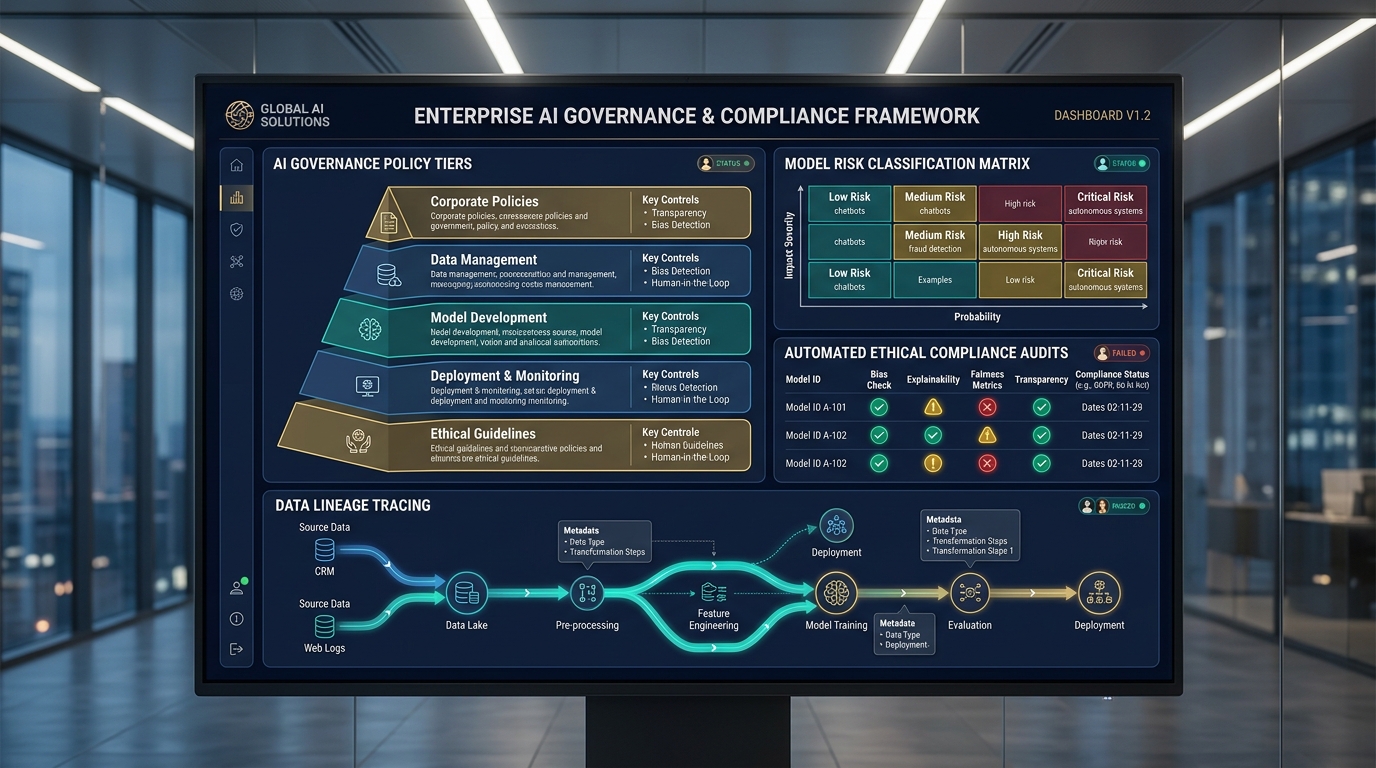
A comprehensive, engineering-first guide to structuring enterprise AI governance policies. Learn how to transition from abstract legal frameworks to deterministic, code-enforced execution layers.